

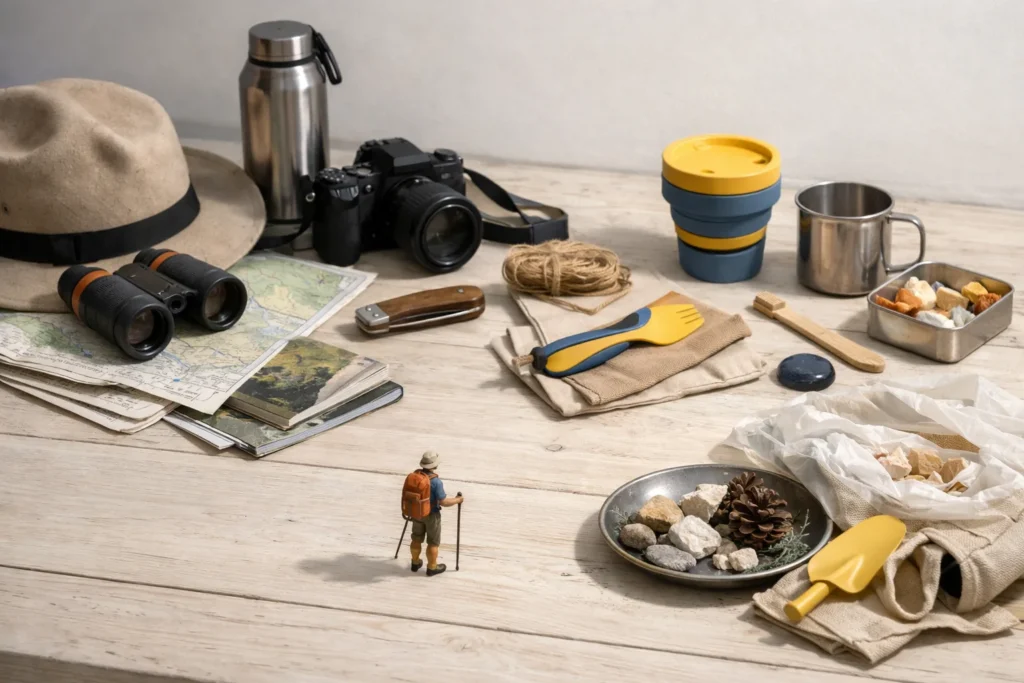
National parks and other protected places draw millions of visitors, and in recent years many of the best known have struggled with crowding, parking shortages, and wear on trails and facilities. The people who manage these places ask for the same thing again and again: come prepared, be considerate, and leave the place as you found it. None of that is complicated, but it does take a little planning before you go.
Start with the official source
Conditions change quickly in the outdoors. Roads close for snow, trails shut for repair, and fire restrictions come and go. The best place to check is the park itself. The National Park Service website lists individual park pages with alerts, hours, maps, and details on fees and permits. Check it shortly before you leave, and again if your trip lasts several days.
Some parks use timed entry, reservations for campsites, or permits for popular hikes. These rules vary from park to park and from season to season, so do not assume last year’s experience still applies. If a reservation is required, make it as early as the park allows.
Plan for the realities of the place
- Cell service may be absent. Download maps beforehand and tell someone your route and expected return time.
- Weather can turn. Dress in layers, carry a rain shell, and be ready to change plans.
- Water and food matter. Bring more water than you think you need and some extra snacks. Services inside a park can be far apart.
- Know your limits. Pick trails that match your fitness and the time you have. Starting a long hike late in the day is a common mistake.
- Altitude and heat affect people differently. If you have a medical condition, ask your doctor what precautions make sense for you.
Respect the wildlife
Animals in a park are wild, even when they look calm. Rangers consistently advise visitors to keep a safe distance, never to feed them, and to use binoculars or a zoom lens for photos. Distances differ depending on the species, and posted guidance in each park tells you what is expected. Feeding wildlife teaches animals to associate people with food, which often ends badly for the animal.
Store food and scented items the way the park instructs, whether that means a locked vehicle, a bear canister, or a food locker at the campsite. Pack out every scrap of trash, including fruit peels and nutshells, which are not natural parts of the local diet.
The basics of Leave No Trace
The Leave No Trace principles are widely taught across public lands, and they boil down to a handful of habits:
- Plan ahead and prepare.
- Travel and camp on durable surfaces, such as established trails and campsites.
- Dispose of waste properly, including packing out trash and following guidance for human waste.
- Leave what you find, whether rocks, plants, shells, or historic objects.
- Minimize campfire impacts and follow any fire restrictions.
- Respect wildlife.
- Be considerate of other visitors.
Staying on the marked trail is one of the simplest and most important choices. Shortcuts and detours trample fragile plants and speed up erosion, and in some landscapes the damage takes years to recover.
Be a good neighbor on the trail
Parks work best when visitors share space gracefully. Let faster hikers pass, yield to uphill traffic when the trail is narrow, and keep your voice down in quiet areas. If you listen to music or videos, use headphones. Drones are restricted or prohibited in many protected places, so check the rules instead of assuming they are allowed.
Parking lots at popular trailheads fill early. Arriving at a quieter hour, using shuttles where they exist, or choosing a less famous park nearby can reduce crowding and improve your experience. Lesser-known sites often have beautiful scenery and far fewer people.
Think about the whole trip
Responsible visiting is not only about what happens inside the boundary. Small gateway towns often feel the strain of heavy tourism. Book lodging and meals ahead when you can, be patient with busy local workers, and consider traveling in a shoulder season when the weather is still pleasant and crowds thin out.
If you are traveling with children, turn the preparation into part of the adventure. Let them help pack, read the park map, and spot the signs that explain what to do and what to leave alone. Many parks offer a junior ranger program that teaches kids how to take care of the places they visit.
Leave it better if you can
If you see litter on the trail, pick up what you safely can. Report hazards or damage to a ranger instead of trying to fix them yourself. Little actions multiply across millions of visitors, and they are a big part of why these places stay open and beautiful for the next family that arrives.
A great park visit begins before you leave the driveway. Check the official page, pack for the conditions, give animals their space, and walk lightly. That is the whole recipe, and it works every time.