

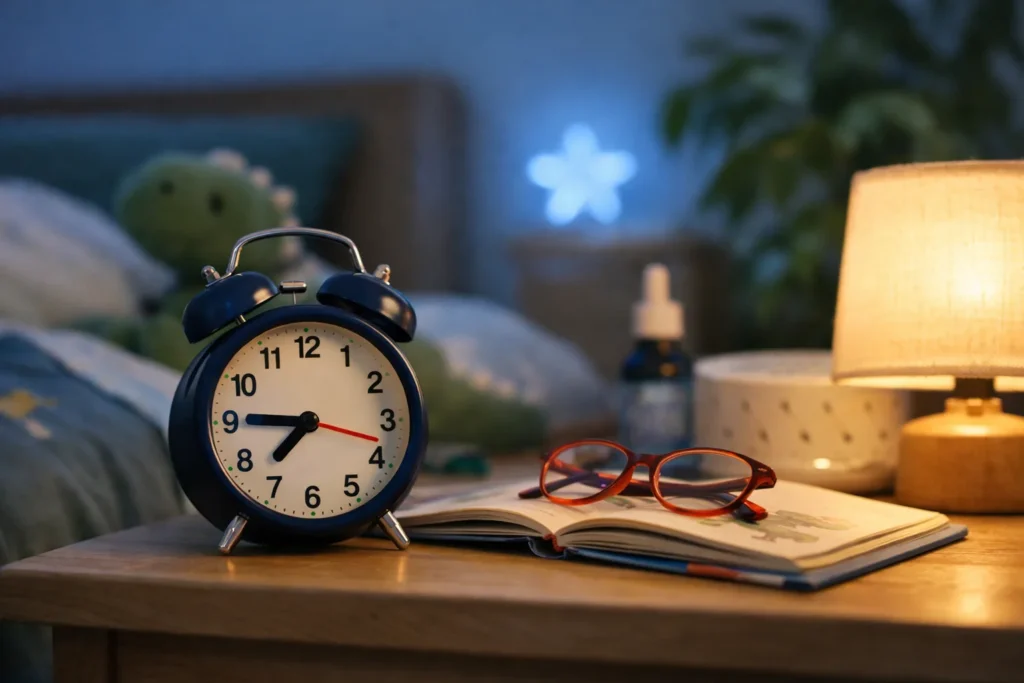
Everyone has a theory about sleep: a magic tea, a special pillow, a gadget that promises to fix everything. Public health agencies tend to be less exciting and more useful. The Centers for Disease Control and Prevention, for example, keeps returning to the same short list of habits, and none of them requires a purchase. The trick is turning that list into a routine you will really follow on a tired Tuesday.
Why a routine beats a hack
Your body runs on a clock. Light, meals, activity, and the time you go to bed all nudge it. When those signals are consistent, falling asleep tends to get easier because your body starts to expect it. When they swing wildly from night to night, you feel it the next morning. The CDC publishes general advice on healthy sleep habits, and a regular schedule is near the top of it.
A routine does not need to be elaborate. Think of it as a ramp that carries you from a busy day into rest, rather than a cliff you jump off when you finally put the phone down.
Step one: fix your wake-up time first
People usually obsess over bedtime, but your wake-up time is the lever that actually holds the schedule together. Pick a time you can keep most days, including weekends, within a reasonable margin. Sleeping in for hours on Saturday can leave you groggy and make Sunday night harder.
Once your wake time is steady, your natural sleepiness will start to line up with it over a couple of weeks. Be patient. Body clocks adjust slowly.
Step two: set a wind-down window
Choose a stretch of time before bed, perhaps thirty to sixty minutes, when the day officially ends. During this window:
- Dim the lights in the rooms you use.
- Finish chores and set out tomorrow’s clothes so your mind is not still working.
- Put away work email and anything that stirs you up.
- Do something quiet that you enjoy, such as reading a paperback, stretching, or listening to calm music.
The specific activity matters less than doing it consistently. Over time, the sequence itself becomes a cue.
Step three: tune the bedroom
Health agencies commonly describe the ideal bedroom the same way: quiet, dark, and comfortably cool. A few low-cost adjustments help:
- Block stray light with a heavier curtain, or use a simple sleep mask.
- Lower the thermostat a little at night, or use a lighter blanket in summer.
- Reduce noise with a fan, a soft white-noise source, or earplugs if you live on a busy street.
- Keep the bed for sleep. Working or scrolling in bed teaches your brain to stay alert there.
Step four: watch what you take in
Caffeine can linger in your system for hours, so many people sleep better when they stop coffee, tea, and energy drinks by early afternoon. Large, heavy meals close to bedtime can make lying down uncomfortable. Alcohol may make you drowsy at first, but it often fragments sleep later in the night. You do not have to give anything up entirely. Try moving it earlier or reducing it and see how you feel.
Daylight and movement help as well. Time outdoors in the morning and regular physical activity during the day both support a steadier sleep pattern. Just avoid very intense exercise right before bed if you find it leaves you wired.
What to do when you cannot fall asleep
Lying in bed and watching the clock tends to make things worse. If you have been awake for a while and feel frustrated, get up, go to another room with low light, and do something calm until you feel sleepy. Then return to bed. This keeps your bed associated with sleeping rather than worrying.
A notepad on the nightstand can also help. If your mind is racing with tomorrow’s tasks, write them down and let the list hold them for you.
A simple two-week experiment
Treat the next fourteen days as a trial rather than a test of willpower. Keep your wake-up time steady, create your wind-down window, and note in a sentence each morning how you slept and how you felt. At the end, look back and see which changes made a difference. Keep those and drop the rest.
When sleep trouble needs a professional
Habits help many people, but they do not solve everything. If you snore loudly, wake up gasping, feel exhausted despite a full night in bed, or have trouble sleeping most nights for weeks, talk with your doctor. Sleep problems can be linked to medical conditions, medications, stress, and mood, and a professional can sort out what is going on. Do not rely on over-the-counter sleep aids for long stretches without medical advice.
Better sleep is rarely dramatic. It comes from a handful of small, repeatable choices made at roughly the same time each night. Start with the first one tonight, and let the routine build from there.